Fast-Track Your December R350 SRD Grant Reapproval in South Africa The Social Relief of Distress grant has become essential support for millions of South Africans struggling with money problems. If your December R350 SRD grant application was recently denied you should know that many others face the same situation. The good news is that the South African Social Security Agency has created reapproval processes to help people fix their denial problems quickly. Learning why applications get denied and knowing how to handle the reapproval process properly can help you get this important financial support.
Understanding Why Your SRD Grant Application Was Denied
Understanding the reasons for an SRD grant rejection is essential if you want to appeal or submit a fresh application successfully. Many applications are declined due to incorrect personal details, failure to meet eligibility requirements, or mismatched information during verification. SASSA requires accurate identification data, including your ID number, contact details, and banking information. Applicants must also not be receiving other government grants or earning more than the approved income threshold. Ensuring that all information is up to date and accurate greatly improves your chances. If you believe you qualify and were still declined, carefully reviewing the denial reason provided by SASSA will help you determine the correct next step.
– Verify that your personal information is accurate
 Stage 6 Load Shedding Begins 31 December With a Full List of Areas Facing Extended Power Cuts
– Confirm you meet SRD grant eligibility requirements
– Check whether you are receiving any other grants
– Review income threshold conditions
– Reassess all submitted documents
– Contact SASSA for clarification on rejection reasons
– Prepare to reapply using corrected information
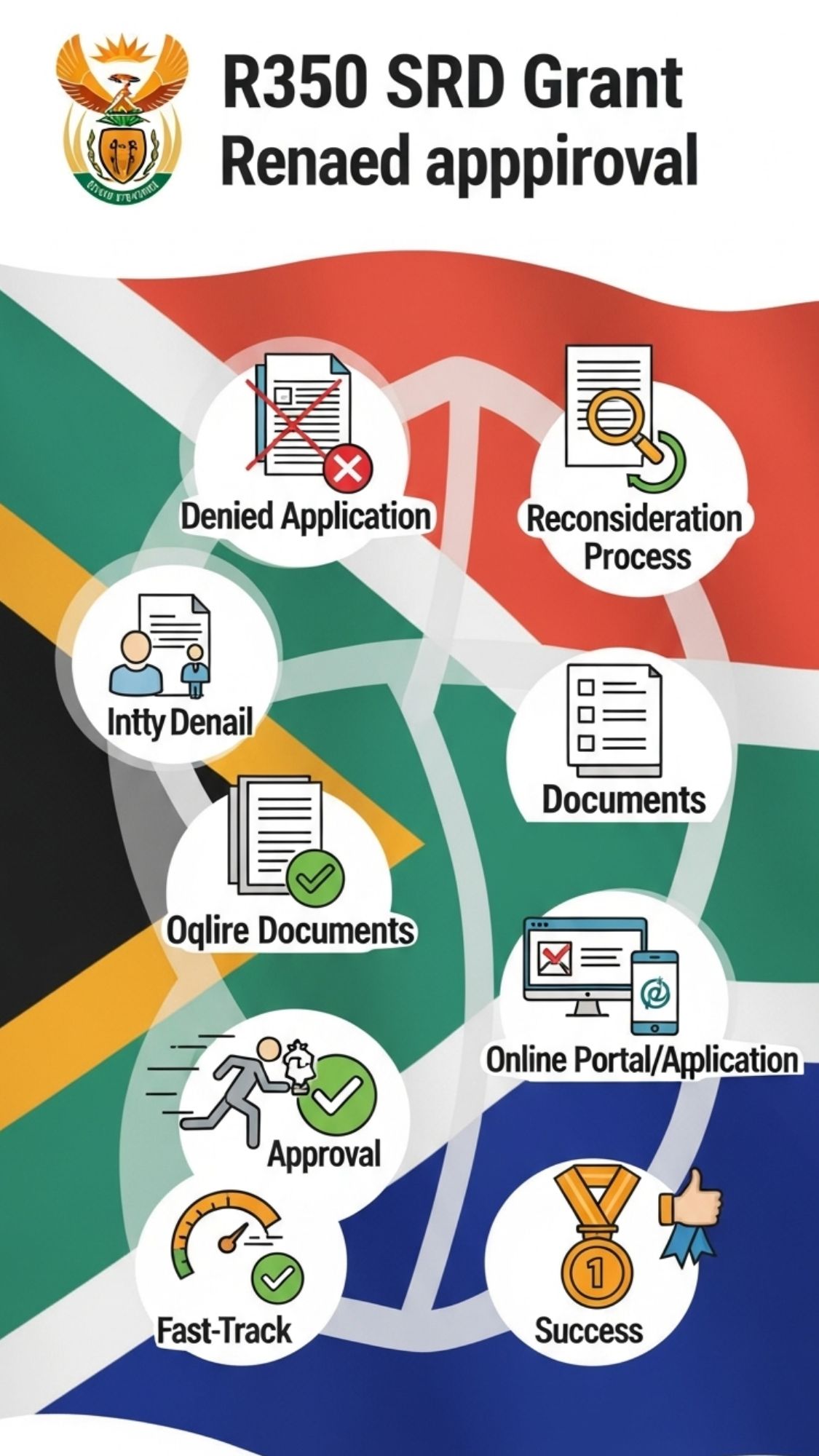
Steps to Fast-Track Your SRD Grant Reapproval
A denied SRD grant application does not mean the end of the process. You can fast-track your reapproval by following a structured approach. Start by collecting all required documents and verifying that every detail is correct. Visit the official SASSA website or a nearby office to obtain the appeal form. Clearly explain the reason for your appeal and attach supporting documents to strengthen your case. Always keep copies of everything you submit. After submitting your appeal, regularly follow up with SASSA to monitor progress. Staying proactive and persistent can significantly improve your chances of approval.
– Gather all required documents for reapplication
– Access appeal forms through the SASSA website
– Clearly explain your appeal reasons
– Attach relevant supporting documents
– Keep copies of all submissions
– Follow up regularly on your appeal status
– Remain proactive throughout the process
What to Do If Your Appeal Is Unsuccessful
If your SRD grant appeal is unsuccessful, it is important not to lose hope. There are alternative support systems available that can assist during difficult financial times. Community organizations and local NGOs often provide guidance, advice, and sometimes temporary financial support. Reviewing your application again and learning from others who have successfully appealed can also be helpful. Connecting with people facing similar challenges can offer valuable insights and emotional encouragement. Persistence is crucial, and exploring all available support options can make a difference.
– Contact local community organizations for help
– Seek assistance from NGOs
– Connect with others in similar situations
 SARS 2025 Refund Crisis: Why Over 2 Million South Africans Are Still Awaiting Their Money!
– Reevaluate your application details
– Learn from successful applicants
– Explore alternative financial support options
– Stay patient and hopeful
| Rejection Reason | Issue Explanation | What You Should Do |
|---|---|---|
| Incorrect Personal Details | Personal information does not match official records | Review and update your ID, name, and contact details |
| Eligibility Not Met | Applicant failed to satisfy SRD grant requirements | Carefully recheck eligibility rules before applying again |
| Document Verification Failed | Required documents are missing or incorrect | Upload valid and complete supporting documents |
| Income Limit Exceeded | Declared income is above the allowed threshold | Confirm your income status and update if it has changed |
| Receiving Another Grant | Applicant is already receiving government assistance | Check whether multiple grants are allowed in your case |
| Technical/System Error | System issue occurred during submission or review | Contact SASSA support or reapply once the issue is resolved |
| Previous Application Mistakes | Errors from an earlier application are still present | Correct past mistakes and submit a fresh application |
Resources to Aid Your SRD Grant Reapproval Process
Using the right resources can make the SRD grant reapproval process easier and more efficient. The SASSA official website is the primary source for updated information, guidelines, and downloadable forms. Community centers can also help by offering internet access and staff assistance for online submissions. Online forums and social media groups focused on SRD grants provide shared experiences and useful tips from other applicants. Staying informed and connected ensures you do not miss important updates or changes in eligibility requirements.
– Visit the official SASSA website for updates
– Use community centers for online access
– Participate in online forums and support groups
– Seek advice from local support networks
– Stay updated on process changes
– Monitor eligibility criteria regularly
| Criteria | Details | Notes |
|---|---|---|
| Age | 18 years and older | Must be a South African citizen |
| Income | Below specified threshold | Provide proof of income |
| Residency | Reside in South Africa | Provide address details |
| Employment | Unemployed | Not receiving UIF |
| Other Grants | Not receiving other government grants | Verify with SASSA |
Common Mistakes When Applying for the SRD Grant
Many SRD grant applications are rejected due to avoidable mistakes. Errors such as incorrect personal details, missing documents, or incomplete forms are common. Some applicants misunderstand eligibility conditions, including income limits or employment status, which leads to rejection. Carefully reviewing all information before submission and understanding the eligibility criteria can help prevent these issues. Paying attention to detail and following up after submission increases the likelihood of approval.
– Incorrect personal information
– Missing or incomplete documents
– Misunderstanding eligibility requirements
– Income threshold miscalculations
– Incorrect employment status details
– Submitting incomplete applications
– Failure to follow up after submission