South Africa is dealing with another nationwide electricity crisis after Eskom announced 14-hour load shedding across all provinces. The sudden return of these scheduled blackouts has forced homes and businesses to quickly change their daily routines. Eskom has put this latest power outage schedule in place to keep the grid stable & prevent a complete system failure. Provinces such as Gauteng KwaZulu-Natal and Western Cape are facing major disruptions. Citizens are being asked to prepare for long power cuts and reduce their electricity use when they can.
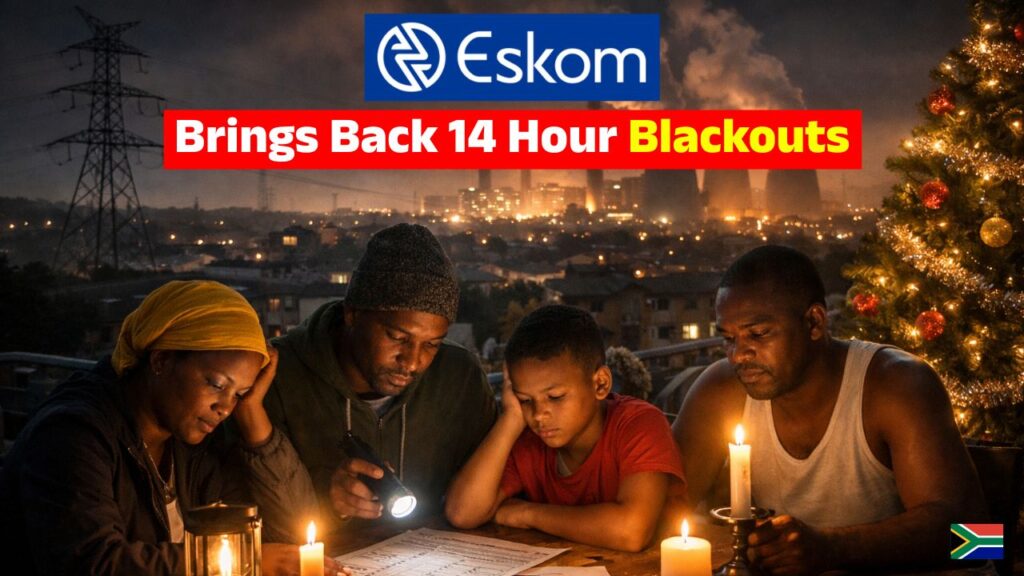
Why Eskom Has Reintroduced Nationwide Load Shedding in 2025
Eskom has brought back nationwide load shedding in 2025 due to a combination of critical maintenance requirements, unexpected equipment failures, and reduced electricity generation capacity. The utility has explained that many of its power stations are aging, making them more prone to breakdowns, while rising electricity demand continues to place extra pressure on the system. Power plants located in Mpumalanga and Limpopo are facing severe operational strain, leading to the implementation of Stage 6 outages. In addition, Eskom has highlighted ongoing difficulties in securing enough diesel to run backup generators that help stabilize supply during peak evening hours. Consumers are being urged to lower their electricity usage and promptly report electrical faults to help reduce further disruptions.

How 14-Hour Power Cuts Are Disrupting Homes and Businesses Across South Africa
Extended power outages lasting up to 14 hours are causing widespread disruption for households and businesses across South Africa. Small and medium-sized enterprises that rely on uninterrupted electricity are suffering financial losses, while many families are dealing with spoiled food, limited communication, and unreliable internet access. In major cities such as Johannesburg and Durban, a growing number of residents are investing in solar panels and generators to cope with frequent blackouts. Schools, hospitals, and clinics are also facing operational challenges, prompting local authorities to roll out emergency backup power solutions for essential services. Public frustration continues to grow, with many citizens calling on the government to take decisive action.

Eskom’s 2025 Load Shedding Stages, Timetables, and Provincial Schedules Explained
To help residents plan around outages, Eskom has published updated load shedding stages and schedules for 2025. The goal is to distribute electricity cuts as evenly as possible across provinces in order to limit overall disruption. South Africans can stay informed by checking the EskomSePush app or visiting Eskom’s official website for real-time updates. Cities including Pretoria and Cape Town will experience varying stages of load shedding at different times throughout the day. Eskom has warned that these rotation schedules may change at short notice, depending on power station performance and weather-related demand fluctuations.

| Province | Average Daily Power Cuts | Active Load Shedding Stage | Projected Stabilisation Date |
|---|---|---|---|
| Gauteng | Up to 14 hours per day | Stage 6 | 31 December 2025 |
| KwaZulu-Natal | Approximately 13 hours | Stage 5 | 31 December 2025 |
| Western Cape | Close to 12 hours | Stage 4 | 31 December 2025 |
| Eastern Cape | Nearly 11 hours | Stage 3 | 31 December 2025 |
| Free State | About 10 hours daily | Stage 3 | 31 December 2025 |
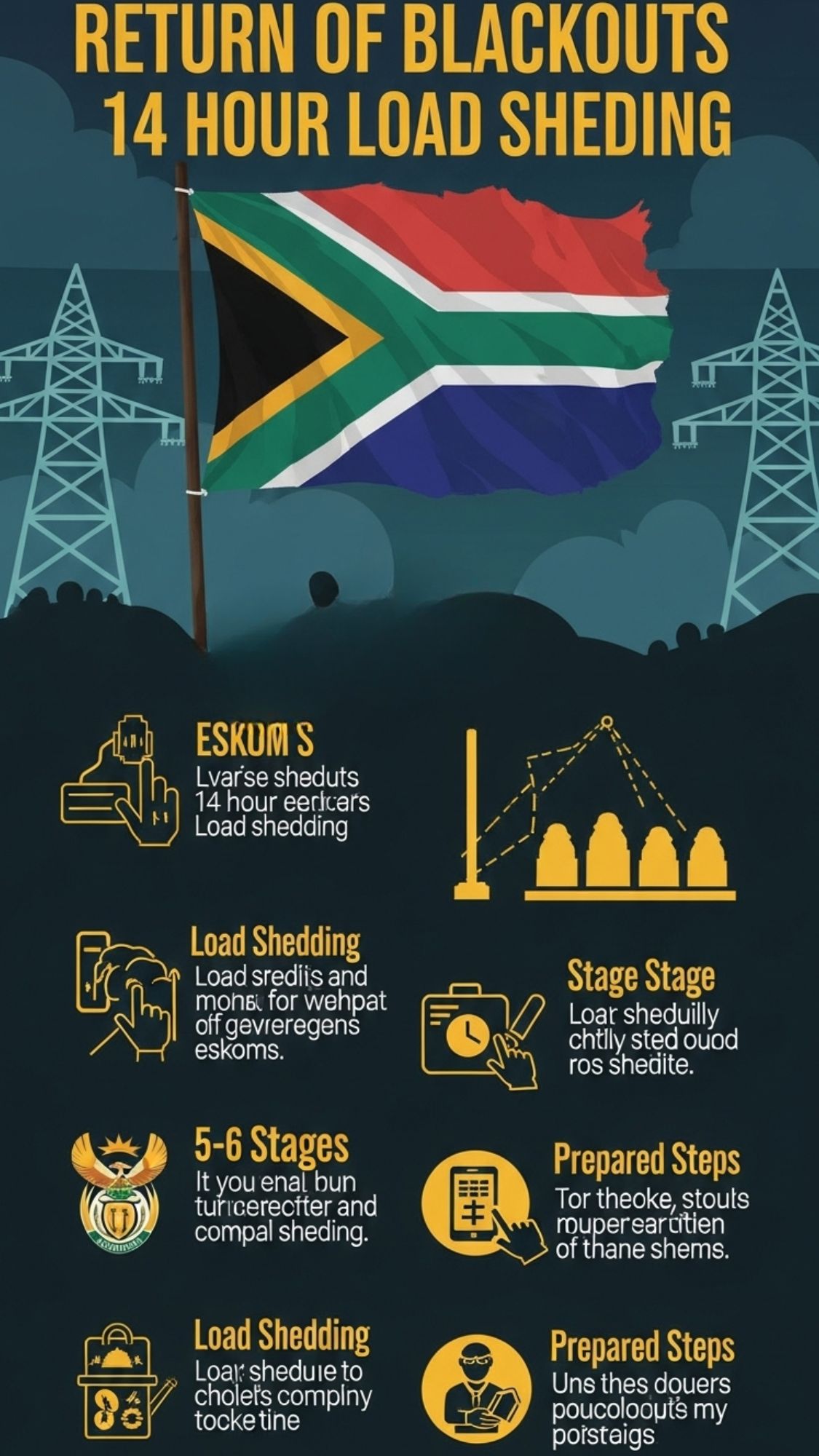
Essential Preparation Tips for South Africans Facing Extended Blackouts
With prolonged blackouts becoming more common, South Africans are encouraged to take practical steps to prepare. Keeping mobile devices fully charged, storing water, and having flashlights or candles on hand can make outages more manageable. Those working from home should regularly save important files and adjust work schedules to align with load shedding times. Unplugging electrical appliances during outages is advised to prevent damage from power surges when electricity is restored. Communities are also stepping up by sharing resources, checking on elderly neighbors, and supporting vulnerable individuals during these challenging periods.